
- 作者:戏丁
- 来源:深空失忆
- 发布时间:2026-08-26
步步惊心:丽
China's J-16 fighter crosses swords with Egypt's Rafale jet in first flight day of joint drill_我的网站

一 | 满觉陇的山风拂过层层茶垄,茶树叶子被日头晒得发亮,胡先生站在自家茶园的梯坎上,指了指远处:“那边要是能修一条农用轨道就好了。”这份期许,并非他一人所有。
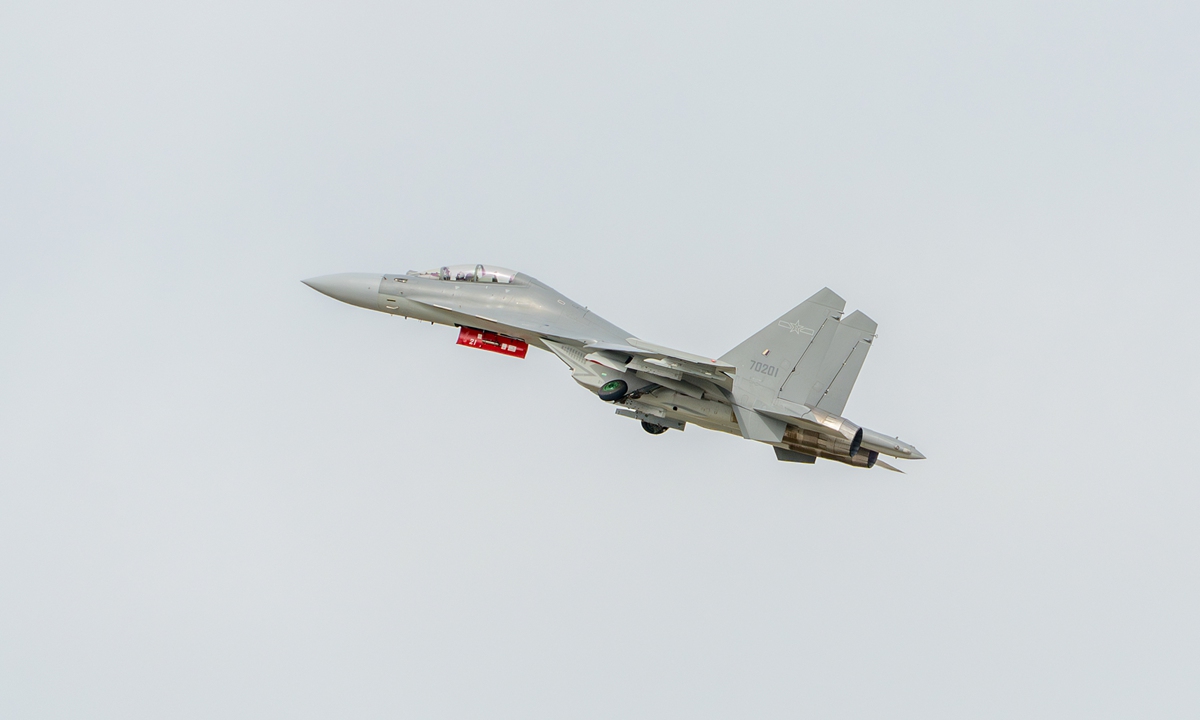
The first day's training focused on one-on-one air combat between different aircraft types. As fighters from both air forces took off in succession, pilots engaged in intense confrontations under realistic combat scenarios, the CCTV News military channel reported.
Before the flight training, Chinese and Egyptian pilots delivered briefings on their respective aircraft capabilities. The two sides then held in-depth discussions on the exercise subjects, clarifying flight safety rules, airspace regulations, takeoff and landing procedures and emergency response plans, said the report.
"The China-Egypt joint air training is progressing from basic one-on-one and two-on-two air combat to more systematic joint operations. As mutual understanding between pilots grows, they can more effectively exchange tactical concepts and operational techniques, which helps enhance the technical and tactical proficiency of both sides," Shen Hao, a member of a PLA Air Force unit, was quoted as saying by the PLA Air Force in a press release on Monday.
Egypt's Ministry of Defense spokesperson posted on social media platform X on Saturday that the joint training between China and Egypt had commenced, releasing images of the participating aircraft - Egypt's MiG-29 and Rafale fighters, and China's J-16 fighter.
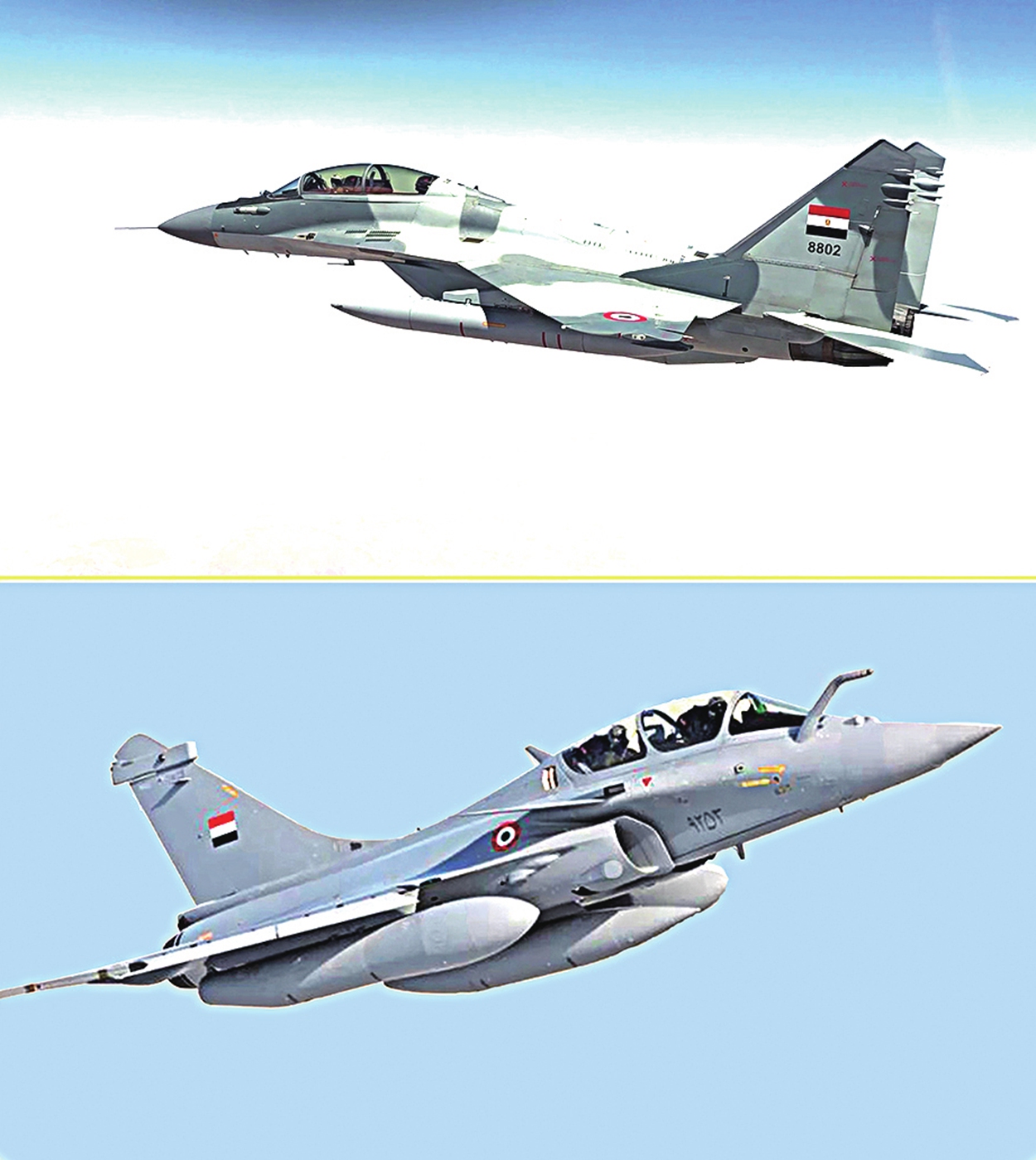
Wang Yanan, editor-in-chief of the Beijing-based Aerospace Knowledge magazine, told the Global Times on Monday that this joint exercise marks the first time China has deployed the J-16 and the first time Egypt's Rafale fighters have participated, a development worth noting. It reflects a relatively high level of mutual trust between the two militaries and a substantial standard of joint training.
Apart from the French military, India and Egypt are some of its main users. This presents a rare opportunity for China to gain familiarity with the Rafale in a joint training setting. As a flagship product of Dassault Aviation, the Rafale represents a major design philosophy of advanced European aerospace equipment, Wang said.
Although the J-16, deployed by China for this long-range training mission in Egypt, evolved from the original Soviet-era platform, it has been completely transformed and now plays a key role within China's aviation system. Capable of carrying a variety of munitions, it can perform electronic warfare, ground strikes and long-range air-to-air combat, making it a highly versatile platform, Wang explained.
Song Zhongping, a Chinese military affairs expert, told the Global Times previously that the J-16 heavy fighter jets' first participation in the China-Egypt joint air force training exercise marks an upgrade from 2025's deployment of medium-sized J-10Cs in the drill, reflecting broader and more advanced overseas training by the PLA Air Force.
The two aircraft belong to the same generation, but the Rafale's overall combat capabilities may not be as comprehensive as those of the J-16, which has been continuously upgraded as part of China's aviation system development, Wang said.
Wang noted that the main objectives are to enhance mutual trust and familiarity with each other's equipment, understanding flight performance, medium- and close-range maneuverability and basic weapon configurations.
Moreover, as the Rafale is also deployed in countries neighboring China, understanding its performance characteristics through joint training holds practical significance for the country, Wang added.
"The Egyptian pilots' rigorous training discipline, close coordination and solid technical skills left a deep impression on us. Through mutual learning and close exchanges during the exercise, we not only strengthened our bonds but also improved our technical and tactical capabilities together. Joint training with foreign forces has provided a valuable platform for our pilots to sharpen their skills," Ning Yiming, a member of a PLA Air Force unit, was quoted by the PLA Air Force as saying.
The opening ceremony of the joint training was held on Friday. Commanders from both sides delivered speeches, reviewing the history of air force exchanges between the two countries and the achievements of the first joint exercise in 2025. They outlined the objectives of this year's training and expressed hopes that participating personnel would seize the opportunity to learn from each other, build mutual trust and carry forward their traditional friendship, PLA Air Force said.
。自《政在@》栏目此前就《杭州西湖风景名胜区总体规划(2024—2035年)》(以下简称《规划》)开通民意征集通道以来,陆续收到不少来自“西湖景区原住民”、新纳入保护范围的居民的声音。他们大多不是规划专家,也未必说得清“九大景区”“一张图管控”的具体内容,但他们长期住在那片山水里,那些山脊线的起伏、建筑高度的数字、管控边界的移动等,落在他们身上,就是回家的路好不好走、茶园的水够不够用、夜里能不能睡个踏实觉……一个茶农的“微观规划”茶农胡先生从小生活在满觉陇,12岁搬到城里,25岁又搬回山上。对比过去和现在,他最大的感触是路好走了,但车也多了。“以前要走半小时山路才能坐上公交,下雨天就蹭邻居的车去上学。”他说,如今游客从“只有节日才有人”变成了日常流量,双休日、节假日,山路上挤满了骑行的人,“有些骑得比汽车还快,挺危险的。”但真正的困扰藏在更深处。作为“西湖景区原住民”,胡先生家的房屋修整和装修面临多重限制。“车子开不到门口,建材要肩挑背扛,建设成本高不少。再加上世界遗产的高度管控,想扩建基本不可能。”他理解这份保护背后的分量,真正让他犯难的,是另一件事——农业政策在景区里落不了地。胡先生家的收入全靠茶园。

二 | 按常规农业政策,茶园可以配套一定比例的农业用房、蓄水池、农用轨道、喷灌设施。但在西湖风景名胜区范围内,这些设施往往被挡在门外。

三 | “茶园需要用水,蓄水池的配比和实际需求有差距。我们想建农用轨道运输肥料和茶叶,想安装喷灌设施抗旱,都很难批下来。”他说,“山上有些地方连手机信号都没有,物联网茶园更是难以实现。”《规划》提出了全要素保护体系,山体、水体、生物多样性、历史文化都在保护之列。“茶叶是我们祖祖辈辈的生计,茶园基础设施不能等同于一般的建设开发。”胡先生最大的期待,是政策在落实过程中能为农业生产留出弹性空间。皇城根下的“夜困扰”十五奎巷,南宋皇城遗址核心区。

四 | 傅先生在这里住了三十年。这次《规划》将河坊街、太庙遗址、南宋御街、三省六部、嘉会门遗址等片区正式纳入西湖风景名胜区范围。傅先生的身份也从“老城南居民”变成了“西湖景区原住民”,他说,改变其实早就开始了——不是从《规划》批复那天起,而是从周边旅游氛围越来越浓那天起。

五 | “最大的影响是回家堵车。”傅先生说,他家门口的道路几乎天天塞车,原本五分钟的路程有时要堵上半小时;停车更是“老大难”,邻里之间为抢车位没少闹不愉快。当西湖的管控半径扩大,日常生活的便利性如何保障?同时困扰他的还有夜间商业的干扰。“很多人只看到景区边开酒吧、开夜市拉动经济的一面。但对于每天住在这里的人,晚上十一二点还能听到外面喧哗,凌晨一两点仍有客人在街上大声说话,这种苦恼是难以想象的。”傅先生说。《规划》明确了要“守护西湖与城市共生的文化特质”,但对皇城遗址片区而言,文化传承与过度商业化之间的张力从未消解。傅先生希望限定夜经济的最晚营业时间,“让我们能睡个安稳觉。”商户眼中的“非遗机会”潘先生在河坊街经营一家古玩店,2021年入驻。相比原住民对交通和农业的焦虑,他看到的更多是机会。他对《规划》的细节并不完全了解,但听到河坊街纳入西湖保护范围时,他的第一反应是:“能不能借这个机会,让河坊街的非遗传承借势活起来?”在他看来,现在的河坊街商业化气息过重,“同质化竞争严重,流量经济发展迅猛,很多非遗传承‘少人问津’。”他认为,既然要融入西湖保护体系,就不能只划个范围、竖块牌子,而应借助西湖的文化影响力,培育一批有杭州特色和非遗特色的点位。“如果只是把河坊街圈进景区,游客来了看到的还是千篇一律的网红店,那‘并入西湖’的意义就打了折扣。
Current article:http://pk19.zhuankaizhuohangwangdixi.shop/c03k/0rae.html
Published on:17:03:44
- 本文标签:
- 第五元素